SPECIALIZED CLEANUP / 03
Crime Scene & Trauma Cleanup
Respectful property cleanup after the relevant authorities have released the scene.
Call (833) 809-6760 Browse your area ↗UNDERSTANDING YOUR NEXT STEP
A clear plan for a sensitive situation.
Respectful property cleanup after the relevant authorities have released the scene. An independent contractor can assess the property, explain the work scope and exclusions, and discuss availability before you agree to proceed. Services depend on the situation, contractor, and location.
What to discuss with a contractor
- The affected areas and the boundaries of the proposed work
- Assessment, access, and expected project arrangements
- Applicable qualifications, licenses, and insurance
- Written terms, exclusions, and handling of changes
This website is a referral service. Independent contractors perform any work they accept. Availability varies by location and situation.
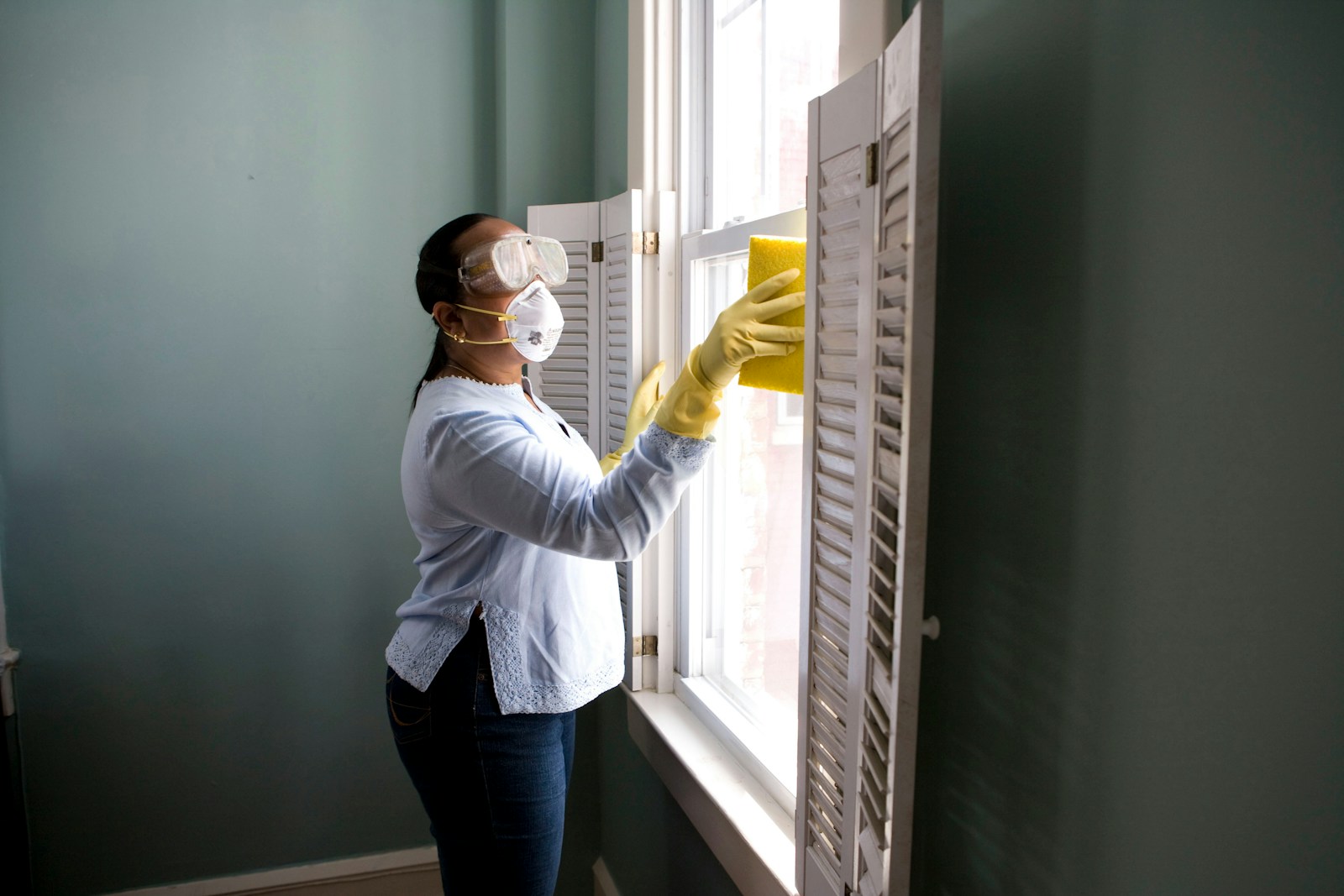
Crime Scene & Trauma Cleanup GUIDE
Understanding crime scene & trauma cleanup
Crime scene and trauma cleanup concerns the property needs that may remain after an incident. Families and property managers often have questions about access, discretion, personal belongings, and the difference between cleanup and repair work. An independent contractor can discuss the property once access is permitted and the relevant authorities have released the scene.
Confirm access before arranging work
If authorities are involved, confirm that the scene has been released before arranging property work. Tell the contractor about any known access restrictions and who controls entry. The cleanup contractor does not replace law enforcement, emergency responders, or the people responsible for authorizing access.
Set expectations for a discreet project
Ask how the contractor communicates with the family or property representative, schedules visits, and handles access to an occupied or shared building. Explain any practical privacy concerns, such as common entrances or coordination with building management. Confirm the arrangements directly rather than assuming a particular level of discretion is included.
Separate cleanup from restoration
Trauma scene cleanup may lead to further decisions about contents, affected materials, and property repairs. Ask the contractor to distinguish the cleanup proposal from replacement materials or rebuilding. If another business will handle repairs, clarify the handoff and who coordinates the next stage.
Keep one clear point of contact
A family member, owner, or authorized representative can help coordinate questions and decisions. Ask how scope changes are approved and what project documentation the contractor provides. Keeping a clear record can make it easier to communicate with other parties involved in the property.
Before authorizing a cleanup project
Compare written scopes rather than service names alone. Confirm who can approve the work, how property access will be arranged, and how the contractor records changes. Ask whether contents work, material removal, repairs, or specialist assessments require separate agreements.
Read our questions to ask an independent cleanup contractor and guide to contractor referrals. For geographic information, browse your state and community.
SERVICE QUESTIONS
Crime Scene & Trauma Cleanup: common questions
Can cleanup start before a scene is released?
Confirm release and access permission with the relevant authorities before arranging work. A cleanup inquiry does not authorize entry to a restricted scene.
Are crime scene cleanup and trauma cleanup the same service?
Businesses use these terms differently. Describe the situation and ask the contractor to explain the exact work it accepts.
Does this website send its own cleanup crew?
No. This is an independent contractor referral website. Contractors are separate businesses and are responsible for the work they accept.
Explore other cleanup categories
Biohazard Cleanup
Specialized cleanup for spaces affected by biological contamination.
Explore service ↗02 / SPECIALIZED CLEANUPBlood & Bodily Fluid Cleanup
Sensitive property cleanup following an incident involving blood or bodily fluids.
Explore service ↗04 / SPECIALIZED CLEANUPUnattended Death Cleanup
Discreet cleanup planning for a property following an unattended death.
Explore service ↗05 / SPECIALIZED CLEANUPHoarding Cleanup
Discuss cluttered property cleanup, including situations involving biological contamination.
Explore service ↗06 / SPECIALIZED CLEANUPContamination Cleanup
Assessment and cleanup information for spaces affected by biological contamination.
Explore service ↗TAKE THE NEXT STEP
Discuss your cleanup needs.
Call about independent contractor referrals. Services and availability vary by location.